How to Check and Replace Transmission Fluid
Transmission fluid serves a number of roles within a vehicle’s transmission system. It lubricates moving components, helps to transfer hydraulic power, and assists in cooling the transmission during operation. Over time, fluid can degrade or become contaminated, which may affect how the transmission performs. Regularly checking the fluid level and condition is one of the ways vehicle owners can stay informed about the state of their transmission. At GearHead Garage, transmission fluid checks are a routine part of vehicle maintenance, and understanding the process can help owners make more informed decisions about service intervals.
This article provides an overview of how to check transmission fluid level and condition, as well as how to perform a drain-and-refill procedure. The information is intended to explain the general methods and principles involved. Actual procedures can vary depending on vehicle make, model, and transmission type. Consulting a vehicle’s owner manual and following manufacturer guidelines is an important step before performing any maintenance. The approaches described here are typical for automatic transmissions with a dipstick and a drain plug; however, some modern transmissions are sealed and require specialized equipment for fluid service.
It is worth noting that proper fluid maintenance is one of many factors that may contribute to transmission longevity. Other factors include driving habits, operating conditions, and overall vehicle care. There is no single action that guarantees a specific outcome, and periodic checks of fluid condition can provide useful information for planning future service.
Understanding Transmission Fluid and Its Role
Transmission fluid is a specially formulated lubricant designed to withstand the high temperatures and pressures inside an automatic transmission. It also acts as a hydraulic medium that enables gear shifts and torque converter operation. In many vehicles, the same fluid is used to lubricate the differential or transfer case in transaxle designs. The fluid’s chemical composition includes additives that resist oxidation, reduce foaming, and protect against wear and corrosion.
As the fluid ages, its ability to perform these functions can diminish. Heat cycles, friction, and the accumulation of microscopic particles can cause the fluid to darken, lose viscosity, and develop a burnt odor. These changes are normal but can accelerate if the transmission is subjected to severe conditions such as heavy towing, frequent stop-and-go driving, or high ambient temperatures. Routine inspection of the fluid provides a snapshot of its current condition and can indicate whether maintenance is warranted.
Different types of automatic transmissions may require specific fluid specifications. Using the wrong type of fluid can lead to improper lubrication or shift quality issues. The manufacturer’s recommended fluid type and viscosity are typically listed in the owner’s manual or on the dipstick handle. Matching the fluid specification is a key part of any fluid-related procedure.
When to Check and Signs of Fluid Issues
Manufacturers often recommend checking transmission fluid at regular intervals, such as during oil changes or every 30,000 to 60,000 miles. However, driving conditions can alter these general guidelines. Vehicles used for towing, off-road driving, or in hot climates may benefit from more frequent checks. The owner’s manual provides the most relevant schedule for a given vehicle.
There are several signs that may indicate a need to inspect the fluid. Fluid leaks under the vehicle, difficulty shifting gears, delayed engagement, or unusual noises from the transmission can all warrant a closer look. The appearance of the fluid on the dipstick can also provide clues. Fresh transmission fluid is typically red or pink, translucent, and has a slightly oily smell. Fluid that is brown, black, cloudy, or has a burnt odor suggests that it has degraded. The presence of metal particles or sludge may indicate internal wear or contamination.
It is important to note that symptoms such as slipping or harsh shifts can have multiple causes, and fluid condition is only one possible factor. A thorough diagnosis typically involves more than just a fluid check. Nonetheless, inspecting the fluid is a straightforward step that can be done as part of routine vehicle observation.
Safety Precautions and Tools Needed
Before checking or replacing transmission fluid, certain safety precautions are advisable. The vehicle should be parked on a level surface to obtain an accurate fluid reading. The engine should be at normal operating temperature, as specified by the manufacturer, because fluid expands when hot and the dipstick markings are calibrated for a specific temperature range. Wearing gloves and safety glasses can protect against contact with hot fluid or accidental spills.
Tools and materials commonly needed for a basic fluid check and replacement include:
- Vehicle owner’s manual
- Clean rag or paper towels
- Transmission fluid dipstick (if equipped)
- Funnel suited to the transmission fill tube
- Drain pan with sufficient capacity
- Socket or wrench set for the drain plug
- Correct type and quantity of transmission fluid
- Torque wrench (if specified for the drain plug)
For a drain-and-refill procedure, additional items such as a new drain plug washer or gasket may be required. Some transmissions have a separate fill plug or require a pump to add fluid. Consulting the service information for the specific vehicle helps ensure that the correct tools and steps are used.
How to Check Automatic Transmission Fluid Level and Condition
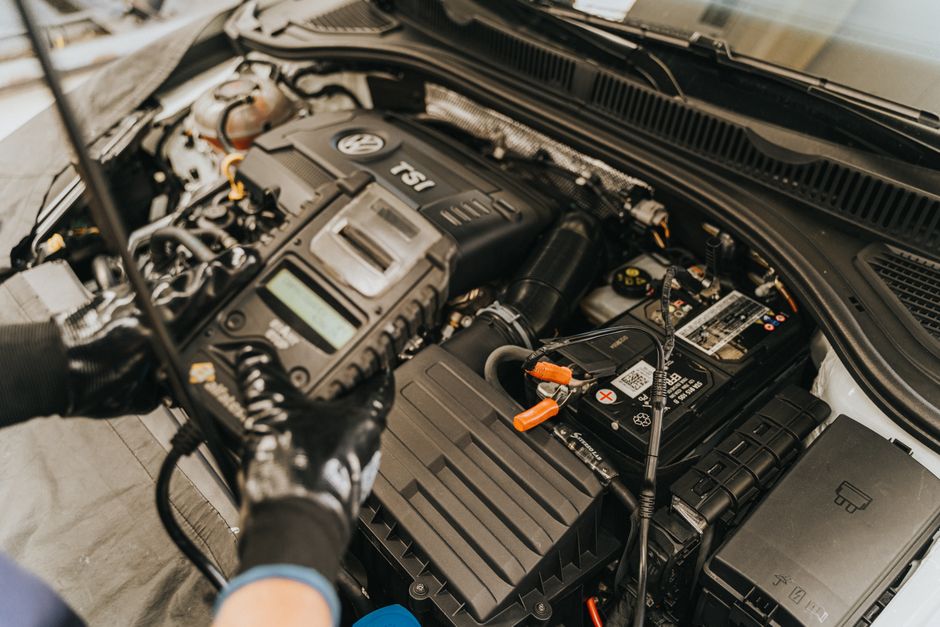
Checking the fluid level typically follows a sequence of steps. The engine is warmed up and left running, with the parking brake engaged and the transmission in Park or Neutral (as per manufacturer instructions). The dipstick is located in the engine bay, often near the back of the engine on front-wheel-drive vehicles. Pulling the dipstick, wiping it clean, reinserting it fully, and then pulling it again to read the level is the standard method.
The dipstick has markings indicating the proper fluid level range, often labeled “Cold” and “Hot” or with crosshatched zones. The fluid level should be within the hot range when the engine is at operating temperature. If the level is low, adding small amounts of fluid through the dipstick tube using a funnel is typical, followed by rechecking. Overfilling can be as detrimental as underfilling, so adding fluid incrementally is recommended.
Assessing fluid condition involves observing its color, clarity, and odor. Comparing the fluid on the dipstick to a sample of new fluid can help evaluate its state. If the fluid appears dark, gritty, or smells burnt, it may be advisable to consider a fluid change or further inspection. It is not unusual for fluid to darken slightly with age, but a significant change in appearance suggests degradation. Some vehicle manufacturers specify a fluid change interval in the maintenance schedule, and following that schedule is one approach to staying ahead of fluid condition issues.
Draining and Refilling Transmission Fluid
A drain-and-refill procedure replaces only a portion of the total transmission fluid, as some fluid remains in the torque converter, cooler lines, and valve body. This method can still remove a substantial amount of old fluid and is a common service approach. The specific steps depend on the transmission design, but a general procedure involves raising the vehicle safely on ramps or jack stands, locating the drain plug on the transmission pan, and placing a drain pan underneath.
After removing the drain plug, the fluid drains out. Many drain plugs have a magnet that collects metallic particles; cleaning the magnet before reinstalling the plug is a typical practice. Once the fluid has stopped flowing, the drain plug is reinstalled with a new gasket or washer if specified, and tightened to the torque value provided in the service manual. The vehicle is then lowered, and fresh fluid is added through the dipstick tube or fill port in the amount recommended by the manufacturer.
After adding fluid, the engine is started and allowed to run while the transmission is shifted through each gear position to circulate the new fluid. The fluid level is then rechecked and adjusted as needed. It is common to repeat the level check after a short drive once the transmission reaches operating temperature. Some vehicles require a specific procedure to ensure the fluid level is set correctly, such as checking with the engine off or at a particular temperature. Following the vehicle-specific instructions is essential for accurate results.
Note: Drain-and-refill does not flush the entire system. For vehicles with severe fluid degradation or contamination, a complete flush using specialized equipment may be recommended by a service professional. However, in some cases, a flush may not be advised for high-mileage transmissions that have never been serviced. The decision depends on the vehicle’s history and condition.
Post-Service Checks and Disposal Considerations
Once the new fluid has been added and the level verified, it is advisable to inspect the transmission pan area for any signs of leakage around the drain plug. A short test drive can help confirm that shift quality and operation are consistent. If any unusual noises, slipping, or warning lights appear after the service, a professional inspection may be warranted, as the fluid change itself may not have addressed underlying issues.
Used transmission fluid is considered a hazardous waste in many jurisdictions because it can contain heavy metals and other contaminants. Proper disposal involves collecting the drained fluid in a sealed container and taking it to a designated recycling center, auto parts store, or waste facility that accepts used oil. Pouring fluid down drains or onto the ground is generally illegal and environmentally harmful. Many service facilities accept used fluid from DIY maintenance at no charge.
Maintaining a record of the service date, fluid type, and quantity added can be useful for future reference. Over time, periodic checks remain the primary way to monitor fluid condition. A proactive approach to transmission fluid care, combined with attention to driving conditions and vehicle behavior, can help keep the transmission operating within its intended design parameters.